
Getting enough protein on a plant-based diet is less about finding one perfect food and more about including useful sources throughout the day. Beans, lentils, tofu, whole grains, nuts, and seeds can all contribute. With a little planning, you can add these foods to familiar meals without relying on complicated recipes. Here’s how to build a varied day of eating and make each meal more filling.
Start With Legumes
Beans, chickpeas, peas, and lentils are versatile protein sources that also provide fiber. Add lentils to soups and stews, spoon beans into salads or wraps, or blend chickpeas into a spread. Using canned legumes can save time; drain and rinse them before adding to a meal.
Make legumes the main part of a meal rather than treating them only as a garnish. Try a bean chili with rice, lentil curry with whole-grain flatbread, or chickpeas with roasted vegetables. If you are new to eating more legumes, increase portions gradually and drink enough fluids as your body adjusts to the extra fiber.
Use Tofu And Soy Foods
Tofu fits into many dishes because it takes on the flavor of sauces and seasonings. Press firm tofu to remove excess water, then bake, pan-cook, or crumble it into a scramble. Add it to stir-fries, noodle bowls, sandwiches, or salads for a substantial protein contribution.
Tempeh and edamame offer other easy ways to include soy. Keep frozen edamame on hand for grain bowls or quick sides, and marinate tempeh before cooking to build flavor. Check product labels for ingredients and serving information, especially when choosing seasoned or ready-to-eat options.
Build Meals Around Grains
Grains contribute protein while providing a satisfying base for meals. Oats at breakfast, quinoa or farro in a lunch bowl, and whole-grain pasta at dinner can all add to your daily intake. Pair grains with legumes, tofu, nuts, or seeds to make a meal more varied and filling.
A practical formula is to combine a grain, a protein-rich centerpiece, and vegetables. For example, top brown rice with black beans and vegetables, or serve whole-grain pasta with lentils and tomato sauce. Grain choices do not need to be elaborate: use what you enjoy and can prepare consistently.
Add Nuts And Seeds
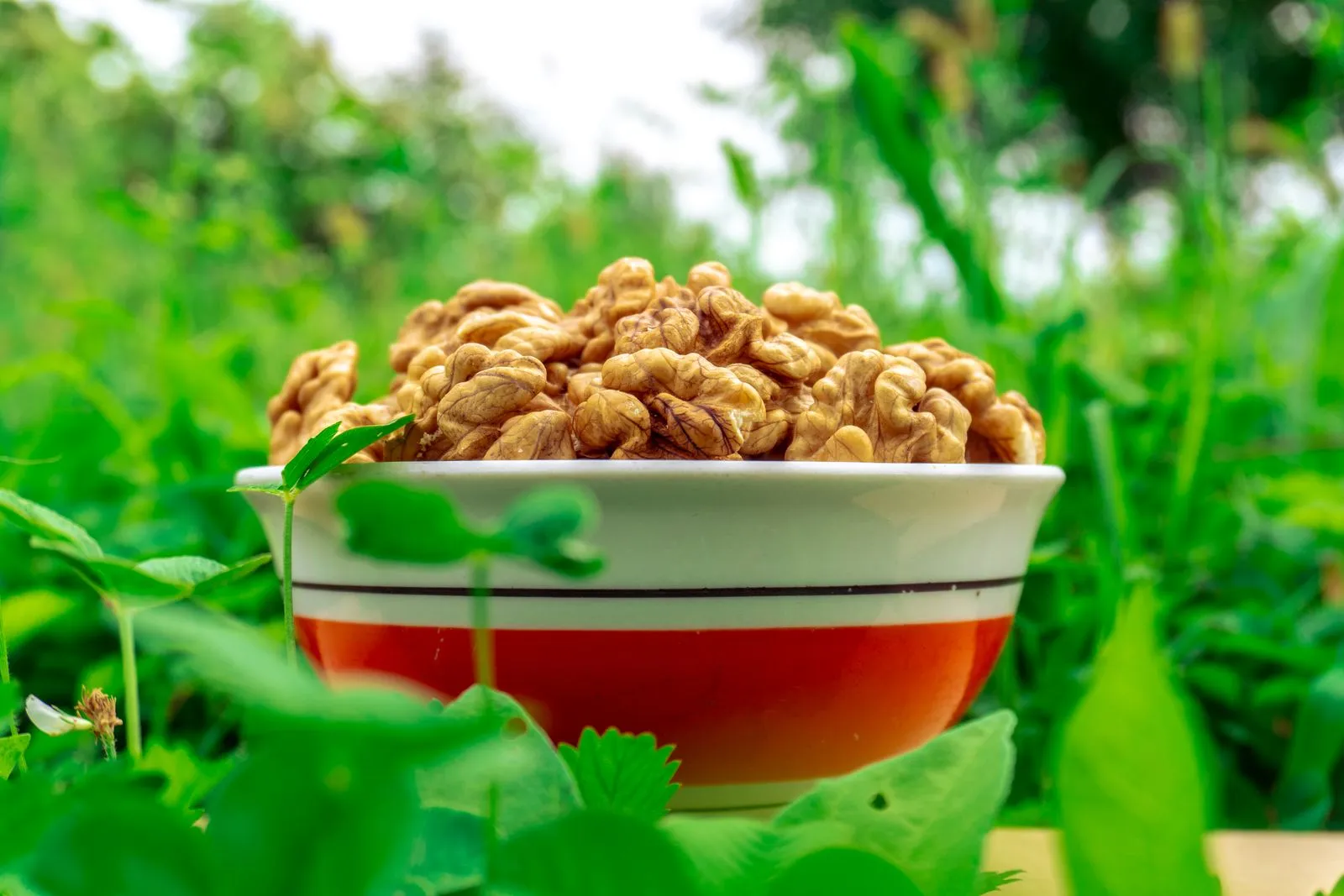
Nuts and seeds are convenient additions that contribute protein along with fats and other nutrients. Sprinkle pumpkin seeds or hemp seeds over porridge and salads, stir nut butter into oats, or add chopped nuts to a grain bowl. These small additions work well alongside, rather than in place of, a meal’s main protein source.
Plan ahead by keeping a few options visible and easy to use. Portion nuts or seeds into small containers for snacks, or keep nut butter near breakfast ingredients. If allergies are a concern, choose suitable alternatives and check labels for cross-contact information. Variety across the day matters more than relying on a single ingredient.
A plant-based diet can include protein at every meal through legumes, tofu and other soy foods, grains, nuts, and seeds. Choose combinations that fit your routine, appetite, and preferences, and adjust portions to your needs. For tailored guidance, Belfast Plant Nutrition can help you plan a balanced approach.